We call it design when we set out to improve an experience. We can also call this strategy. However, the quality of the strategy plays a huge role in determining how lasting and how influential a newly designed experience will be.
Frank, our Director of Strategy, shares his thoughts on brand strategy, walks through our approach, and talks about the fundamental ingredient to great design.
→ To set the scene, what are some examples of brands you look up to for their strategy?
There is a quote from the great SciFi writer, Arthur C. Clarke, “Any sufficiently advanced technology is indistinguishable from magic.” I like to think that any sufficiently excellent brand strategy is invisible, yet intuitable. Brand strategy acts as a foundation for great branding, design, and experiences. I’m really interested in brands that lean into challenge during times of uncertainty, not just reacting with clever campaigns.
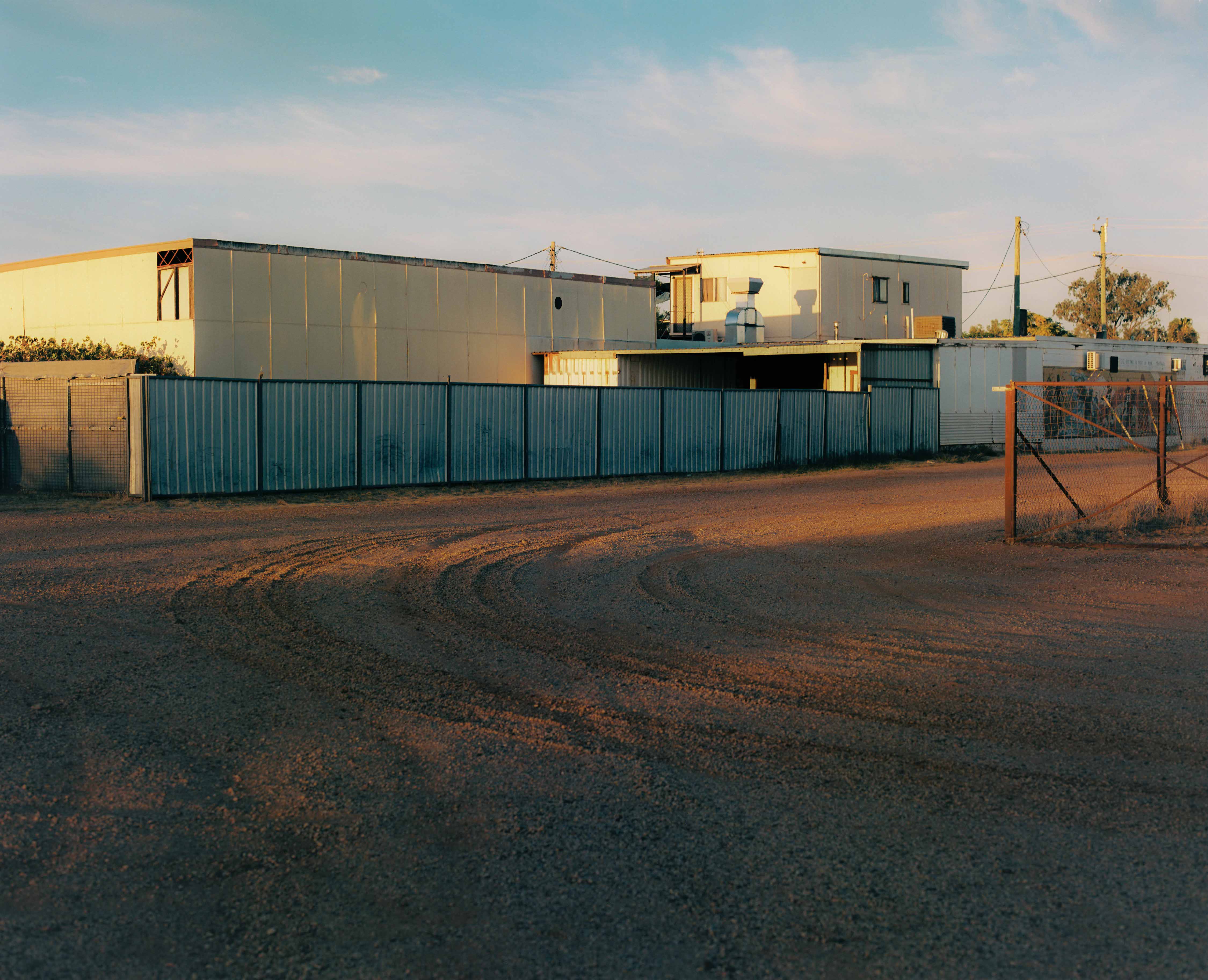
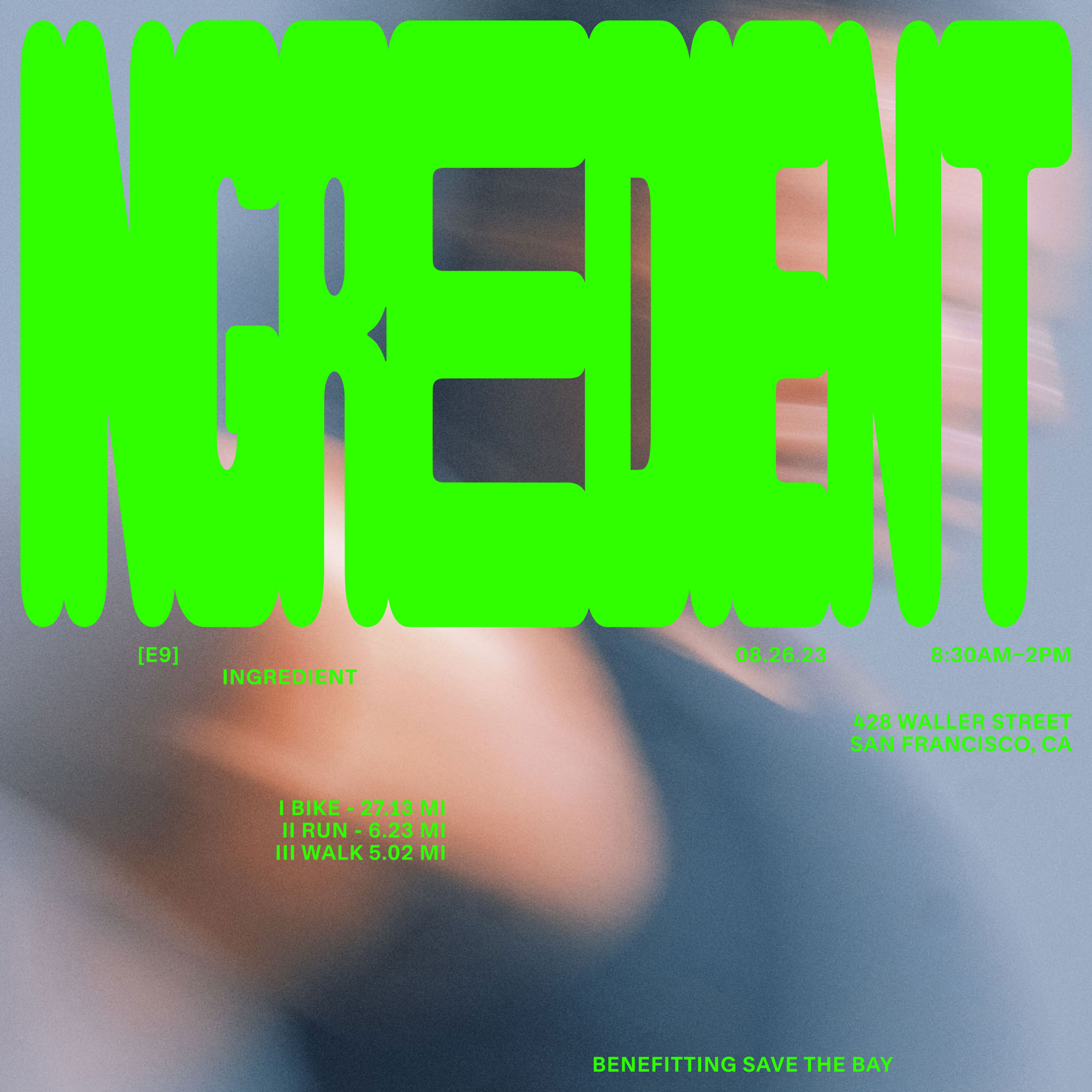
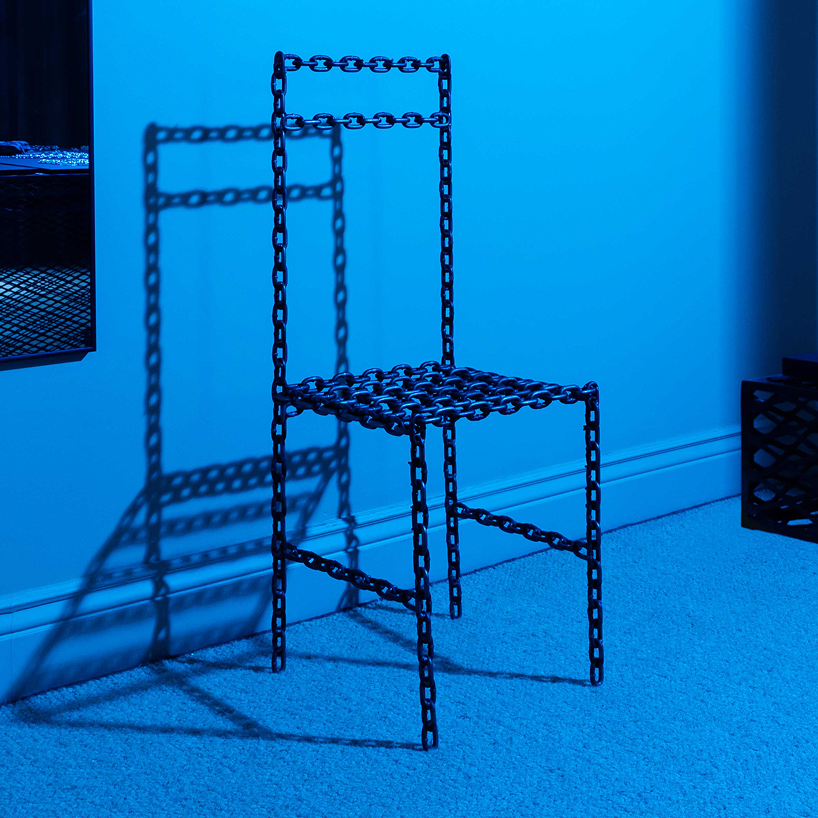
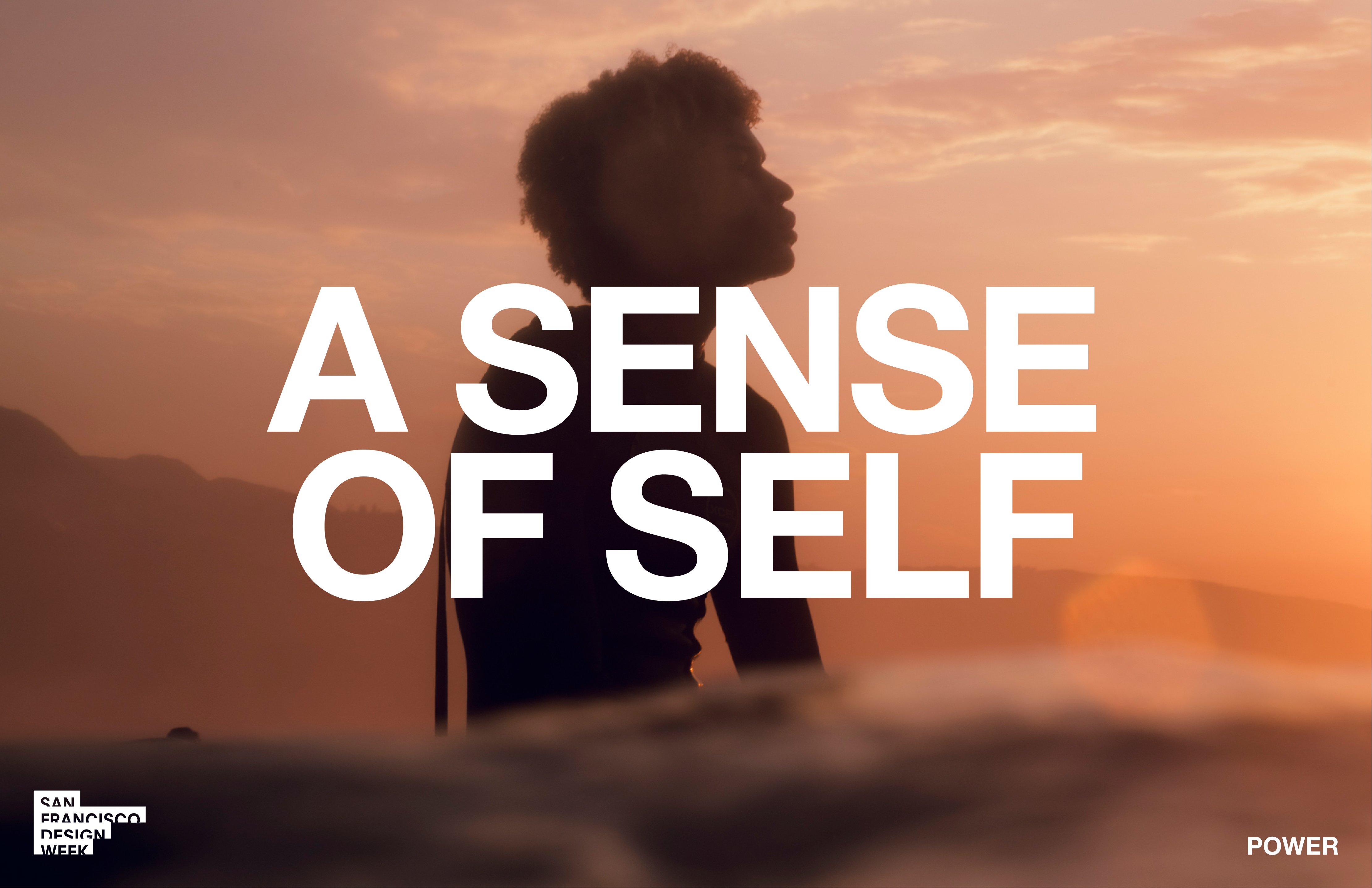
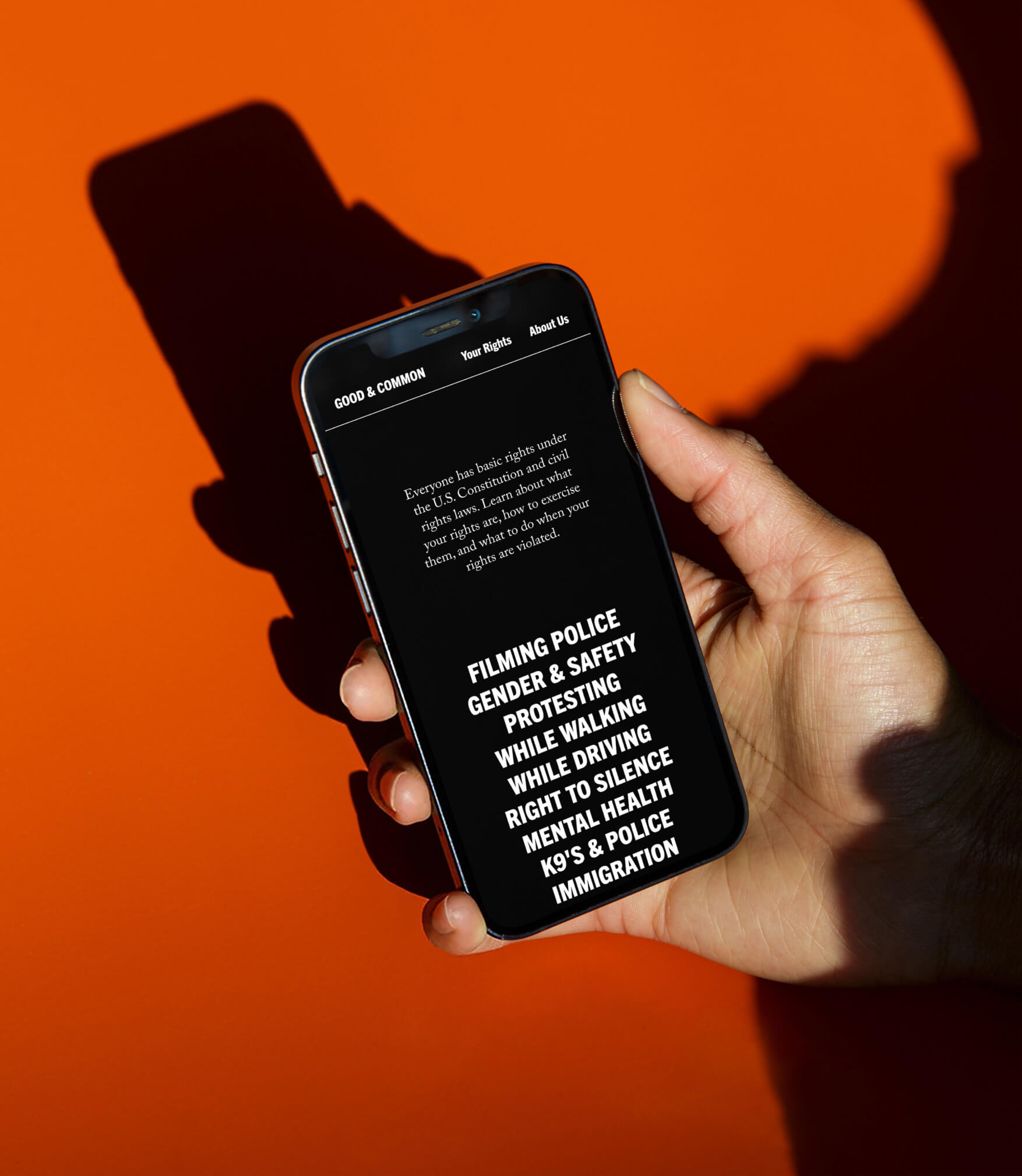
Here are some of my favorite organizations doing extraordinary things, based on sharp business strategy and clear brand communications:
→ How would you describe Landscape’s approach to strategy?
At Landscape, we craft lasting narratives and experiences for clients who pursue positive change.
In this context, brand strategy serves to identify a company’s evolution opportunities and then charts the best path for the brand to manifest those opportunities via narratives and experiences.
The emphasis for us is on “lasting,” which means that strategy provides both the foundation for and guidance toward the ideal future position for our clients’ brands. And the emphasis on “change” means that our strategy ensures that every element of our work acts as a lever to our clients’ business goals. Strategic thinking is about creating the framework for a long-term vision and charting the journey to get there. While great strategy may address a current trend, it should be able to transcend them on an ongoing basis. Perhaps even more ideally, it should generate new momentum within any given market, helping to drive growth.
→ As a strategist, what challenges do you face the most?
Articulating paradigm-shifting ideas in the right way. Many of our clients are working on scaling emergent technologies and services that don’t yet exist in their form today, whether it’s biology lab automation, AI-powered robotics, VR-Creativity, or social impact measurement.
At the heart of this challenge is the need to craft a simple, compelling story that helps make new experiences both understandable and desirable, enough so, to engage people and drive action. Moreover, the story needs to resonate widely, from the initial commercial customers to investment and industry partners, to the talent needed to grow the company, all the way to the broader public, which needs to be supportive, if not enthusiastic, for the new idea to take hold.
Creating these narratives is one of the most interesting challenges we get to take on, and seeing the stories come to life is very fulfilling.
→ What part does strategy play in the creative design phase?
At Landscape, strategy results from a rigorous partnership between our strategists, designers, writers, and our client partners. We don’t see strategy as a manual for “paint-by-numbers” for designers. Rather than siloed disciplines, we believe good creative strategy is the result of cross-discipline collaboration.
Everyone on the team starts with the same shared intention of charting the ideal path forward, and our designers are just as involved in the discovery phase and holistic formation of strategy as I am. We immerse ourselves in the clients’ business, culture, their customers’ mindsets, and the trends shaping the category ecosystem. This phase yields the positioning opportunities and guiding principles for the brand. We then prototype options for possible brand futures, composed of the relevant visual, verbal, and experiential touchpoints.
→ How does brand strategy connect the brand promise, positioning, and design principles?
We work with our clients to create clarity around where they want their business to go and which values should guide them there. Naturally, language plays a big role in starting and stimulating the process. Together, we explore positioning opportunities and guiding principles based on the true advantages of the brand’s offering. With that as a working setup, we can explore the key elements for the brand platform:
- Why — do we exist as an organization?
- How — do we create ongoing value?
- What — do we offer our customers that’s unique?
“Brand strategy” in this context is not the ultimate deliverable, but the successful process of identifying, articulating, and aligning around key opportunities and charting the path to realize them. How do we know what we think until we write it down? In this process, good writing is a critical tool for exploring new ways of thinking about one’s brand and how those ideas shape perceptions in the world.
→ Can you share any tricks you use to generate or visualize your thinking?
I spent my first ten years as a strategist in a global brand consultancy collecting and creating new brand frameworks and models: onions, pyramids, matrices, nine-ups, and even 3D frameworks from Japan. Eventually, I threw them away. I started simplifying and using more of my experience to start guiding strategy and design work toward what’s needed, when it’s needed. No single framework is suitable for any single situation, which means we often create new ways of framing good thinking together with our clients.
That being said, one of my favorite and most simple tools are Venn diagrams. They’re great for nudging our thinking to be more holistic and inclusive, help us identify those elements that, when convened, create new opportunities for ideas, stories, experiences — or sometimes even a new category. What business models are you converging, what cultural trends can you thread together, what technologies are you integrating in never-before-done ways? But there are many other useful tools and frameworks that we can use or create based on what’s needed.
→ What type of branding does Landscape specialize in?
We don’t specialize in any particular type of brand or industry. From fashion, art, and cultural organizations to new technologies, our client set reflects a curiosity in shaping change, across the spectrum. I think many of our clients seek us out for that capability.
The exposure to visionary people with emergent ideas across all categories allows us to think about the world and its many possible futures more broadly. It helps us to connect the dots, share alternative perspectives from unexpected angles, and find storytelling opportunities that stand out and stand the test of time. It’s very rewarding to help our clients create, shape, and articulate these new ideas at critical moments in their evolution, inception, or scaling — something that we have gotten good and fast at.
Clients don’t come to Landscape for a style; they come for the thinking. They trust that based on the diversity of the work we have done, we can execute bespoke solutions through the lens of a specific business strategy.
→ What’s your advice for brands that are looking to find the right design partner?
- Diversity is the key ingredient to the best and most robust ideas. If you want to stand out, don’t hire a brand partner for the same technical expertise in your business (that’s your job). Hire them for their creative capability. Find the most diverse, talented, curious, empathetic, and holistically-thinking people you can.
- Collaborative energy. Set your team, partner, and process up so that shared optimism, clarity, and urgency can guide you to push beyond the expected together.
- Defining success. The outcome is not just an evolved brand with a couple of hard-working artifacts but also the learning journey that you and your design partner will have completed together.
Interested in learning more?
Say Hello
🌎
A creative strategist known for channeling optimism and clarity for over 19 years, Frank H Vial has worked with many of the world’s best-known brands including Chevron, Electronic Arts, Hyundai, Panasonic, PepsiCo, and Taj Hotels. He has helped to shape and position startups and challenger brands in Europe, Asia-Pacific, and the U.S.
Frank joined Landscape after spending several years consulting with San Francisco’s most innovative design firms and startups, shaping strategy for clients in wearables, gaming, analytics, clean energy, robotics, nutrition, and hyperspeed mobility.
Previously, Frank was Strategy Director at Landor, a leading global brand consultancy.
An endurance runner and proud dad, Frank is interested in good conversations and articulating creative strategies to help shape a better world.













Recent Comments